Iran Negotiations Collapse: Why Phase Two of the War is About to Begin
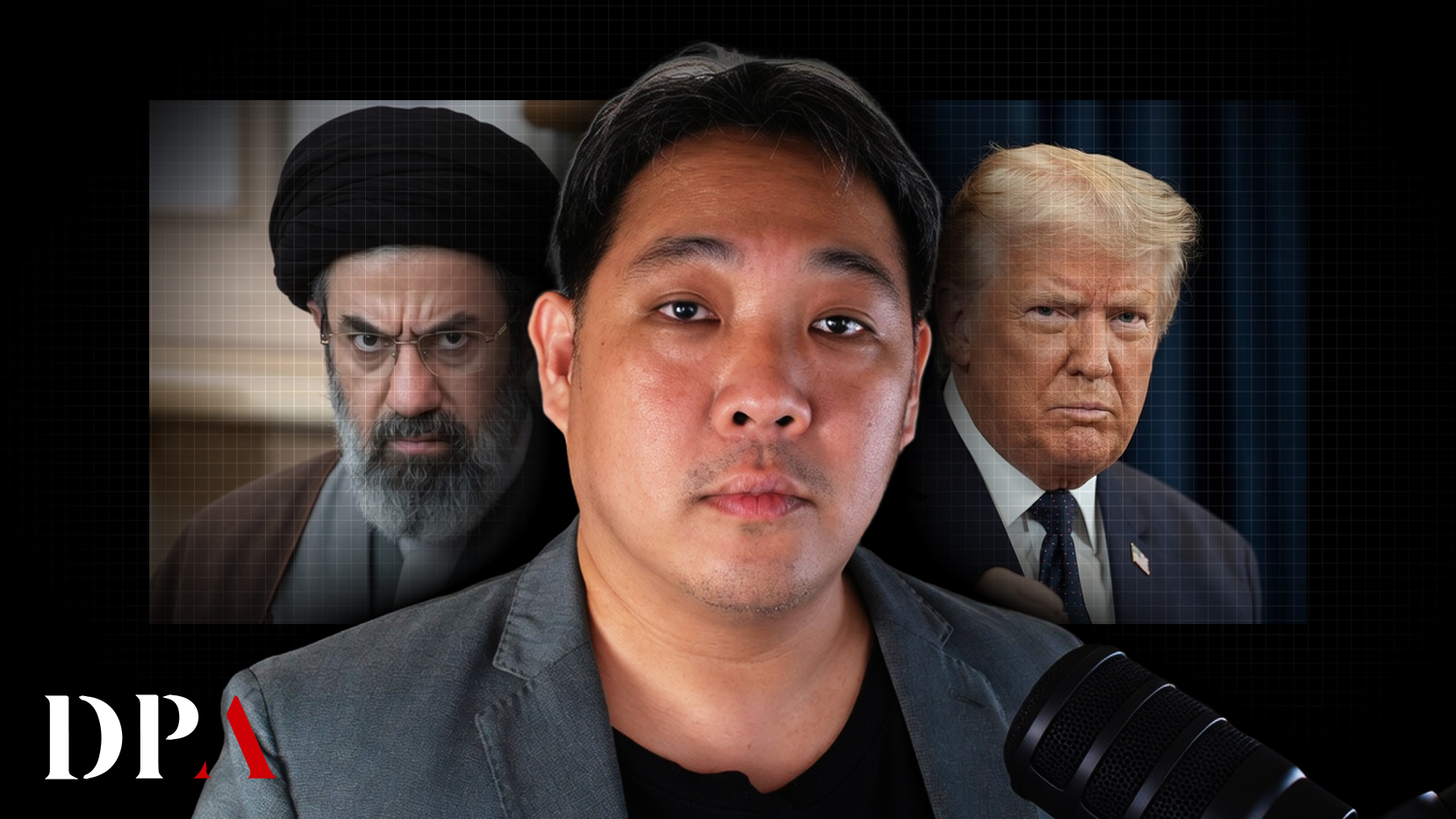
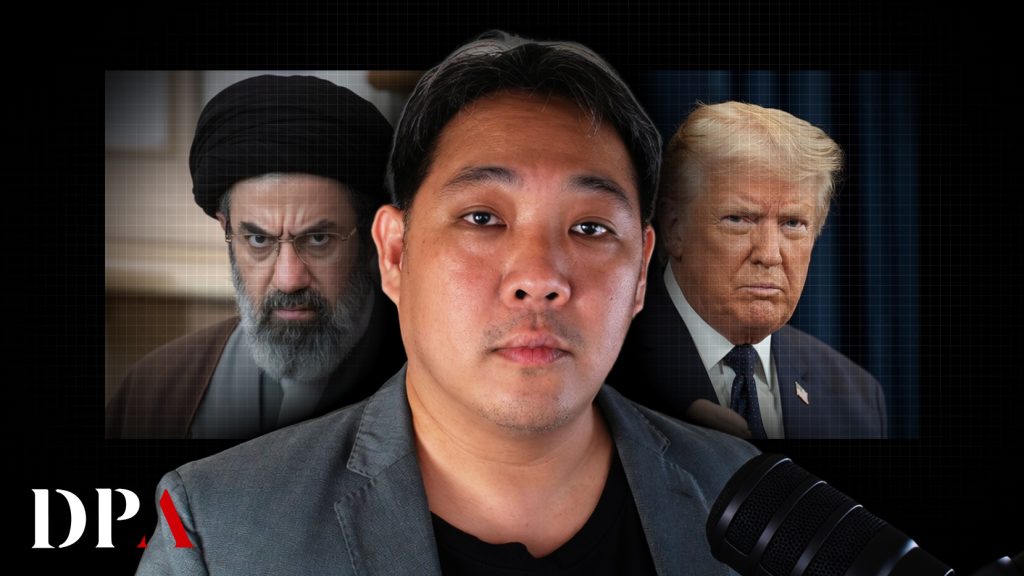
The negotiations have collapsed, exactly as I predicted. The talks between Iran and the United States went the way of a complete breakdown, and the core problem is simple: Iran cannot give up any of its trump cards—ironically Trump’s cards—and the United States firmly believes it is on the winning side. Both sides are stuck.
Iran’s 10-Point Letter: A Refusal to Surrender
The US demands on Iran were essentially terms of surrender. In response, according to a leaked letter, Iran sent a 10-point reply to Washington. The summary is straightforward: we are not going to surrender, and we are going to show you that we can win.
Iran’s letter argued:
- The United States is the source of instability in the region, and US bases cannot defend themselves.
- The Strait of Hormuz should be free of the United States.
- Tehran has a “shared destiny” with the Gulf states. Geographically, that is true—you cannot escape geopolitics.
- Iran’s growing influence is part of “a new regional order.”
- Control of the Strait of Hormuz is the key to Iran’s own security.
- Iran wants the end of “hostile exploitation” of Hormuz—which is funny, because Iran is the one currently exploiting it.
- New rules under Iranian management will boost regional prosperity.
Let’s be honest about that last point. The only countries that would prosper from Iranian-managed Hormuz are Iran and maybe Oman, if the rumors of an Oman partnership were real—which they are not. Oman is not going to invite an invasion from the UAE by signing onto an Iranian protection scheme. And Iran’s economy will only “benefit” if the US doesn’t bomb their oil facilities and doesn’t continue the blockade. Both of which are now back on the table.
Trump’s Reaction: “Totally Unacceptable”
Trump’s response was vintage Trump. He posted: “I have just read the response from Iran’s so-called representative. I don’t like it. Totally unacceptable. Thank you for your attention to this matter.” And the negotiations collapsed entirely.
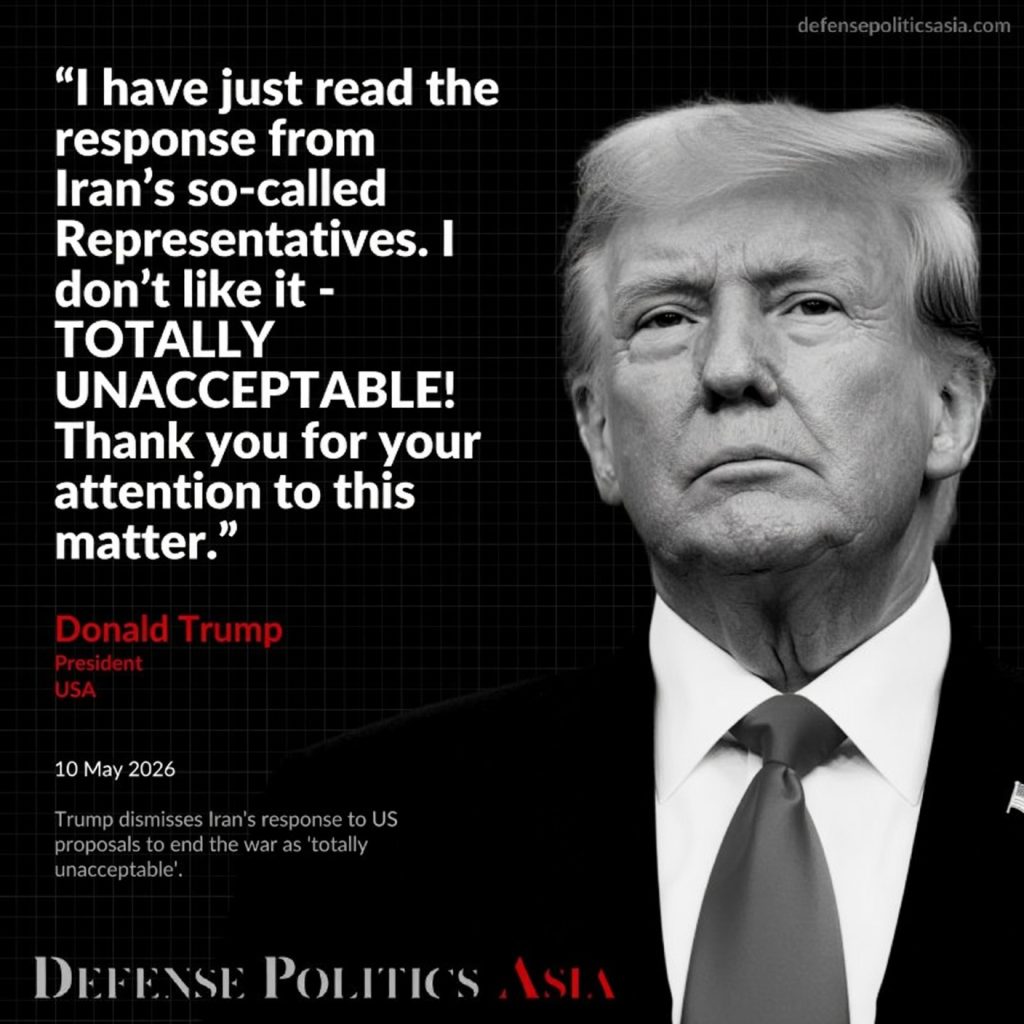
Before that, around 2 AM, Trump posted a more cryptic message that hit me as oddly random when I first saw it. With hindsight, that was the moment Iran’s letter landed on his desk. He read it and immediately fired off his frustration, just as he always does. No other world leader can afford to tweet their immediate reaction the way Trump can. He is the president of the most powerful country in the world. He gets to do that.
In the same post, Trump went after Obama. He said Iran has been playing games with the US for 47 years—and he is the 47th president, neat coincidence. The hit really lands at Obama, because under Obama, Iran was given enormous amounts of money. Trump claimed every bank in DC, Virginia, and Maryland was “emptied out” to fly the cash to Iran in suitcases and satchels. The Iranians couldn’t believe their luck. That is one of the geopolitical blunders that turned me from an Obama supporter into an Obama disliker—I’ll cover that another time.
The Real Battlefield Picture: Why Iran is Not Winning
There is a huge divide among viewers about who is actually winning this war. The pro-Iran, pro-Russia, anti-West camp is convinced Iran is on top—Iran doesn’t need to care about US demands, Iran can do whatever it wants. That is one perspective.
The other perspective—the one I personally hold based on what I have observed—is that after 50 days of fighting on top of the original 12-day war, Iran has very limited means of defending itself. Not zero means. But limited. The US technology and military tradition is so much stronger that the war has gone rather one-sidedly against Iran.
Yes, Iran has hit most of the American bases in the region. That is a given. But here is what people are missing: there is a difference between peacetime military infrastructure and wartime military infrastructure. In the Ukraine war, every Ukrainian airbase from east to central Ukraine was hit in the first month. The same thing has happened in Iran. Every Iranian base from west to central Iran has been hit.
The asymmetry isn’t in the strikes. The asymmetry is in the coverage. We are seeing 80% of the open-source coverage on US bases getting hit. We are seeing 50–80% on Gulf state bases. We are seeing 5% on Israel. And we are only seeing about 1% of the strikes actually happening inside Iran. The bombing of Iran has been way heavier than what is publicly visible. Most of it is classified.
I said the same thing in 2022 when I covered Ukraine. We are only ever witnessing a small fraction of what is actually happening on the battlefield. Thousands die per day, hundreds of thousands of artillery shells are fired, and we see maybe a dozen videos. The American side doesn’t bother running a heavy propaganda campaign because when you are winning militarily, you don’t need to convince anyone.
The latest rumor from Iran is that police and militia personnel no longer go to their offices. They change shifts on the streets and exchange weapons in car boots because they have to avoid static “hot targets.” That is not the behavior of a winning side.
Both Sides Are Just Rearming
Nothing has actually changed with this negotiation collapse. We are simply going back to where the war was paused, and we are going to resume from there.
On the American side: new war plans, new bombs, new missiles. A hypersonic surface-to-surface missile system was allegedly deployed. Another amphibious ship of Marines has arrived in the region.
On the Iranian side: the Iranian Foreign Minister has visited China and Moscow to align strategically and request military support. I would assume 100% that Chinese and Russian military equipment has been flowing into Iran during the pause to prepare for phase two.
When the original ceasefire was first announced, I said immediately that both sides would simply use the opportunity to rearm. That is exactly what happened. Iran is now publicly very confident, claiming they are ready and will surprise the Americans. Trump has also signaled, similar to what I’ve been saying, that the next phase of bombing will be heavier than the first.
Why Phase Two is Inevitable: The Unfinished Objectives
The peace deal was always going to fail because the military objectives have not been achieved. Despite the overwhelming firepower the US has thrown at Iran, they have not:
- Eliminated all of Iran’s drone capabilities.
- Eliminated all of Iran’s missile capabilities.
- Recovered the nuclear materials.
And although it has not been officially stated, the actions on the ground clearly indicate that regime change is on the cards. A lot of weapons have been passed to the Kurds to smuggle into Iran for anti-government elements. The Kurds, however, have largely eaten the weapons themselves—they did not hold up their end of the deal.
A side note on this: the Iraqi Kurds are not the same as the Syrian Kurds. The Iraqi Kurds are not interested in fighting an American war against Iran, because the fallout would land in Iraq. That is a perfectly defensible position—but they shouldn’t have taken the weapons. They should have returned them and declined the role. They are setting themselves up for a reckoning later.
A ground invasion is not yet on the menu. The Phase One objectives of Operation Epic Theory—or whatever it ends up being called—have not been fully achieved.
The Ceasefire Was Already Broken
For days now, the ceasefire has effectively been dead. Iran has been firing drones and missiles at the UAE, Kuwait, and other regional countries. Limited strategic strikes have already resumed. The negotiation collapse is just the political confirmation of what was already happening on the ground.
The real fighting is about to begin again, and very soon. Phase two will be heavier. Both sides have used the pause to reload. All eyes are on the American side now.
Full Video Report: