The Islamabad MOU Dissected: Why the US-Iran “Deal” is a Soft Surrender, Not an Iranian Victory
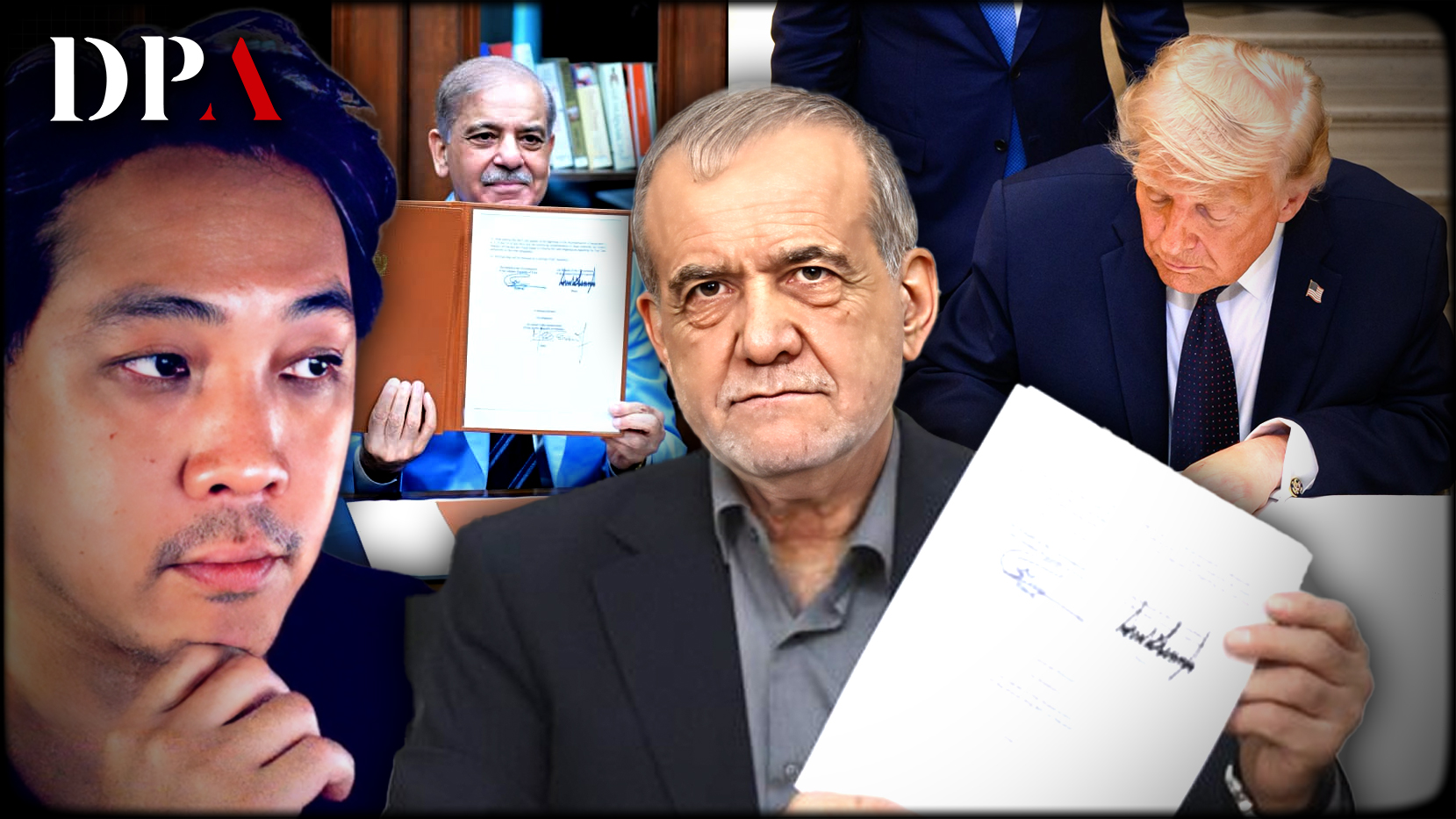
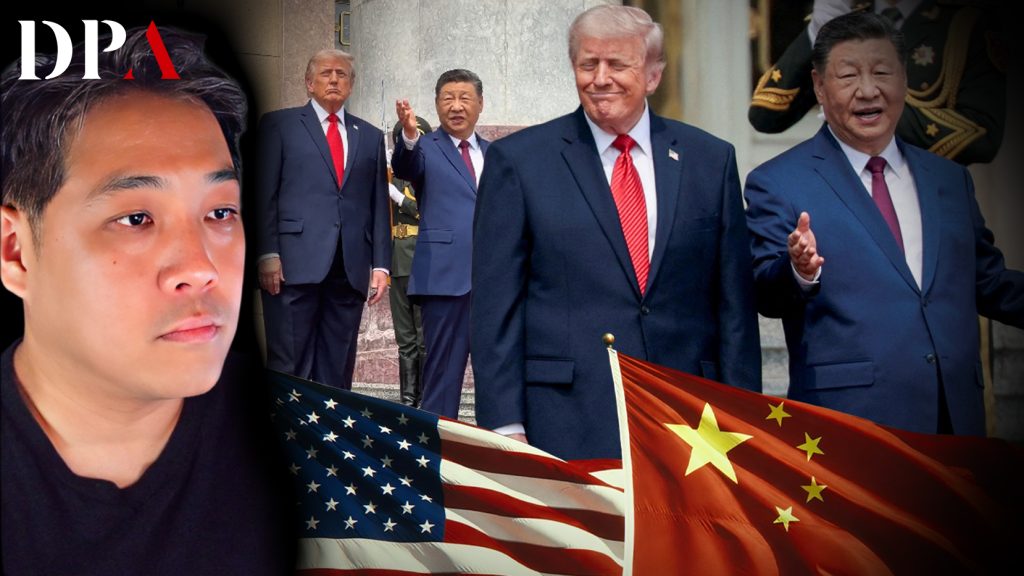
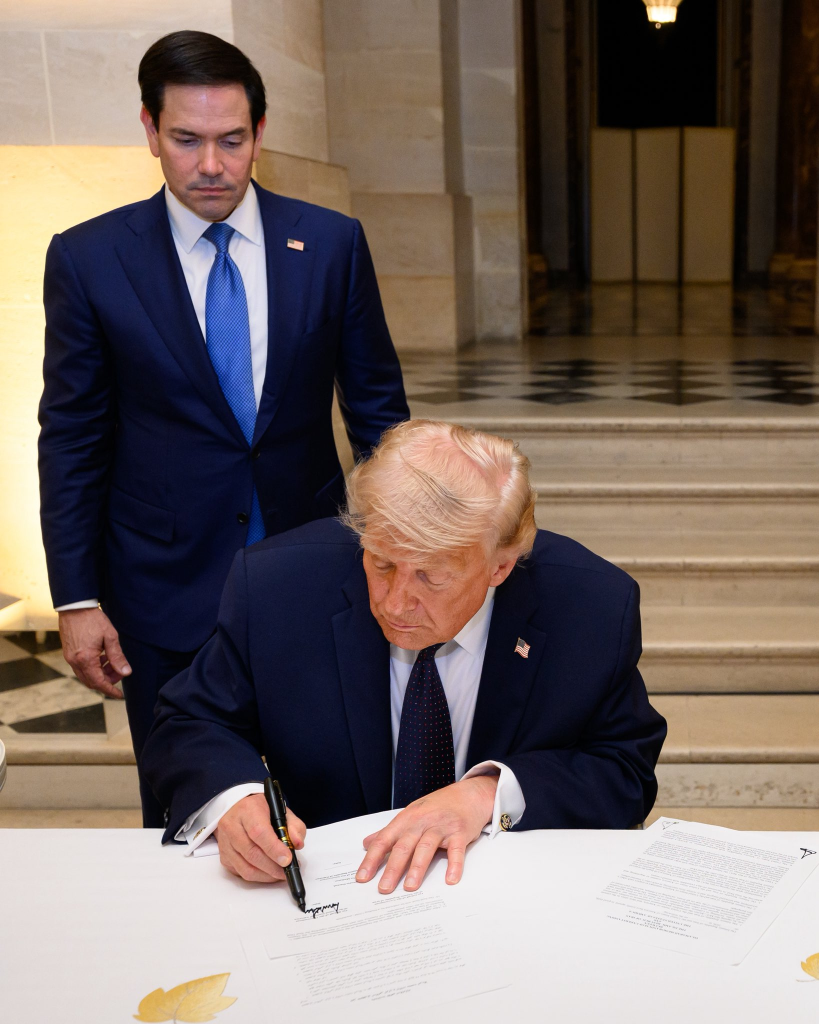
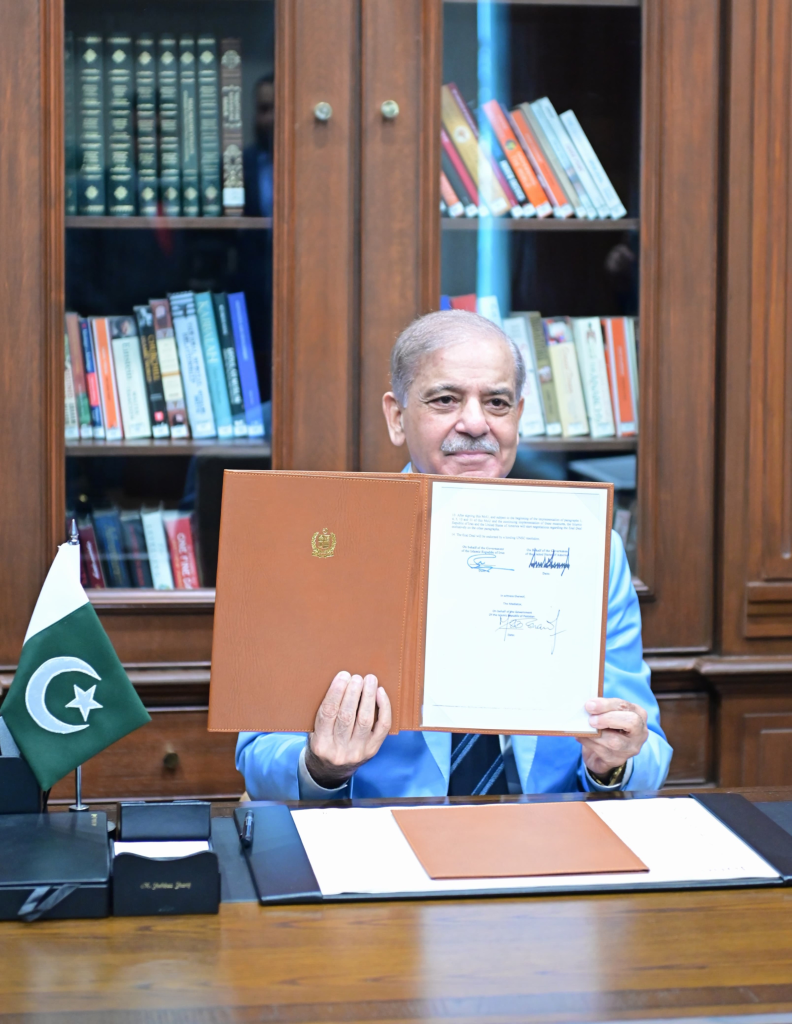
The highly anticipated agreement between the United States and the Islamic Republic of Iran is finally here. Signed by US President Donald Trump and Iranian President Masoud Pezeshkian—with Pakistan’s Prime Minister Shehbaz Sharif acting as a mediator and guarantor—the “Islamabad Memorandum of Understanding (MOU)” has sent shockwaves through global media.
Mainstream coverage and online commentators are already spinning the narrative, with some painting it as a historic US surrender and an ultimate triumph for Iran. But a meticulous, line-by-line reading of the actual document reveals a drastically different reality.
When you strip away the semantics and the political posturing, the MOU exposes a heavily degraded Iran that has quietly conceded its biggest leverage points to a United States that now holds almost total control over the region’s economic and geopolitical future.
Here is DPA’s complete breakdown of the US-Iran MOU, what it actually says, and what it means for the Middle East.
1. It is an MOU, Not a Final Deal
First and foremost, it is crucial to understand that this is not a legally binding deal. It is a Memorandum of Understanding—a written acknowledgement that both parties understand each other’s baseline demands and agree to a 60-day window to negotiate a final, permanent agreement. There are no direct penalties written into this paper for failing to comply; it simply establishes the preconditions required to even sit at the negotiating table.
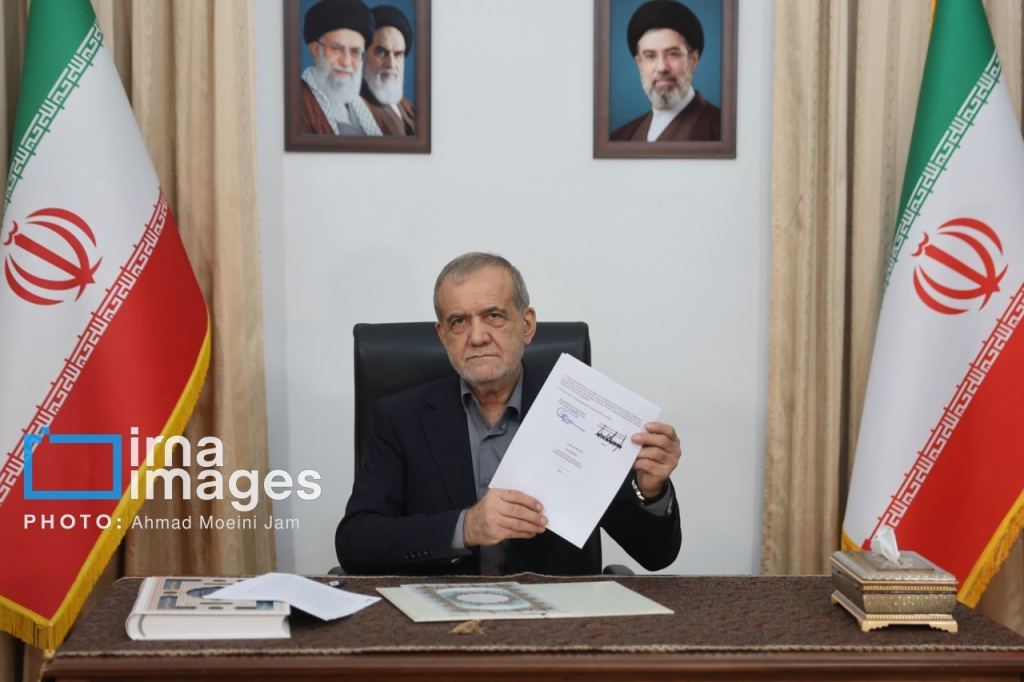
2. The Ceasefire and the “Lebanon” Clause
The Term: The MOU declares the “immediate permanent termination of military operations on all fronts, including in Lebanon.”
The Reality: Iran explicitly forced the inclusion of Lebanon into this text to project an image of righteous protection over Hezbollah. However, this is largely a trap designed to secure a diplomatic victory. Iran agreed not to initiate any militia operations or use force, effectively stripping away one of their primary “Trump cards”—the threat of launching regional missile and drone strikes. By agreeing to this total ceasefire, Iran has voluntarily disarmed its proxy warfare leverage.
3. The Strait of Hormuz and the Naval Blockade
The Term: The US agrees to begin lifting its naval blockade and removing impediments against Iran within 30 days, while Iran agrees to ensure the safe, toll-free passage of commercial vessels for the 60-day negotiation period. Iran will also consult with Oman and other Gulf states regarding maritime services.
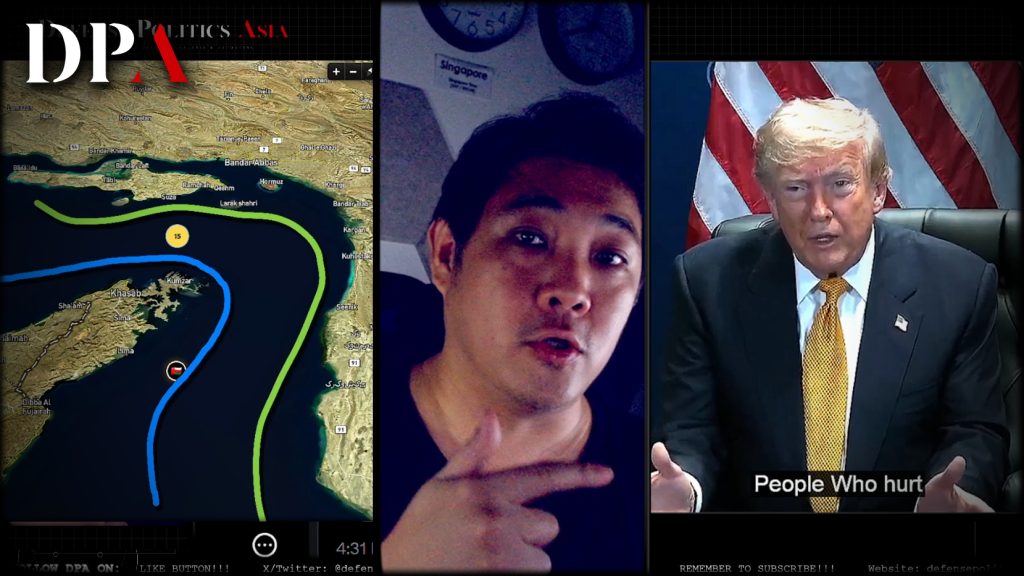
The Reality: Iran’s second “Trump card” was threatening to choke off global shipping through the Strait of Hormuz. The MOU effectively forces them to drop their unilateral demands for maritime tolls. Why? Because the US Navy has completely saturated the Persian Gulf. Iran’s radars and intercept capabilities have been massively degraded; they currently lack the physical power to enforce a blockade. The US concession to lift its own blockade is directly tied to Iran restoring 100% of pre-war shipping traffic.
4. The Carrot: The $300 Billion “Payment” Myth
The Term: The US and its regional partners will develop a mutually agreed plan for a $300 billion investment towards the reconstruction and economic development of Iran.
The Reality: Critics are falsely framing this as a massive cash payout. It is not. It is merely a plan for future investment, largely expected to be funded by reluctant Arab states (like Saudi Arabia, the UAE, and Qatar), not the US taxpayer. Furthermore, no money will flow into Iran until a final deal is signed, and that capital injection is entirely conditional on Iran surrendering its nuclear assets.
5. The Stick: Nuclear Disarmament and Sanction Relief
The Term: The US will terminate sanctions based on a scheduled timeline in the final deal. In return, Iran agrees to the disposal of its stockpiled enriched nuclear materials under the on-site supervision of the IAEA.
The Reality: Sanctions remain fully active today. They will only be lifted gradually, and only if Iran successfully destroys or surrenders its nuclear liabilities. The text also dictates that Iran’s future “peaceful” nuclear framework must be entirely “satisfactory” to the United States. In short, America dictates Iran’s nuclear future, and Iran will remain under suffocating sanctions until it complies.
6. The Financial Leash: Frozen Assets and Oil Sales
The Term: Pending the final deal, the US Treasury will issue waivers allowing Iran to sell crude oil. The US also agrees to unfreeze Iranian assets, allowing the Central Bank of Iran to make payments to designated beneficiaries.
The Reality: This is a masterclass in financial control. Iran is allowed to sell oil, but every transaction requires a US Treasury waiver. Iran is allowed to spend its frozen money, but the Iranian government does not actually get to touch the cash. The funds will be released directly to US-approved beneficiaries. The United States has essentially placed the Iranian economy under an American administrative leash.
7. The US Guarantee: No Ground Invasion
Perhaps the only tangible security victory for Iran in this document is the agreement on maintaining the “status quo.” The US guarantees it will not impose new sanctions or deploy additional troops to the region during the 60-day negotiation period. Given that Iran knows it cannot survive a full-scale US ground invasion, securing a promise that the US won’t use the negotiation period to stage a 250,000-troop buildup is a critical survival clause for the Pezeshkian administration.
The Wildcard: Israel’s Strategic Pivot
While the US and Iran are attempting to map out a path to regional de-escalation, the biggest threat to this MOU is Israel.
The Trump administration—heavily influenced by the anti-war pragmatism of Vice President JD Vance—is actively trying to pull off a diplomatic victory that absorbs Iran back into the global order without sacrificing American lives. But Israel does not recognize this MOU. For Prime Minister Benjamin Netanyahu, leaving the IRGC and Hezbollah intact is viewed as an existential threat.
This has resulted in a massive geopolitical fracture. As highlighted by JD Vance’s recent public warnings to the Israeli cabinet, Israel is beginning to pivot away from the United States. Israel has already allegedly violated the MOU’s ceasefire clause by launching overnight ground offensives and airstrikes into southern Lebanon.
If Israel continues to pursue total destruction of its enemies over adherence to US foreign policy, Trump may be forced to choose between reining in a defiant ally or watching his landmark geopolitical agreement collapse.
Conclusion
A surface-level reading of the Islamabad MOU might make it look like an Iranian victory, but reading the fine print tells the story of a soft surrender. Iran has traded its proxy warfare and nuclear leverage for the mere hope of economic survival and regime preservation. The ball is now firmly in Washington’s court, but the ultimate fate of the deal may very well be decided by Israel’s willingness to go it alone.
Full Video Report: