The Moscow Pivot: Iran’s Disillusionment with China and the Rush for Russian Expertise
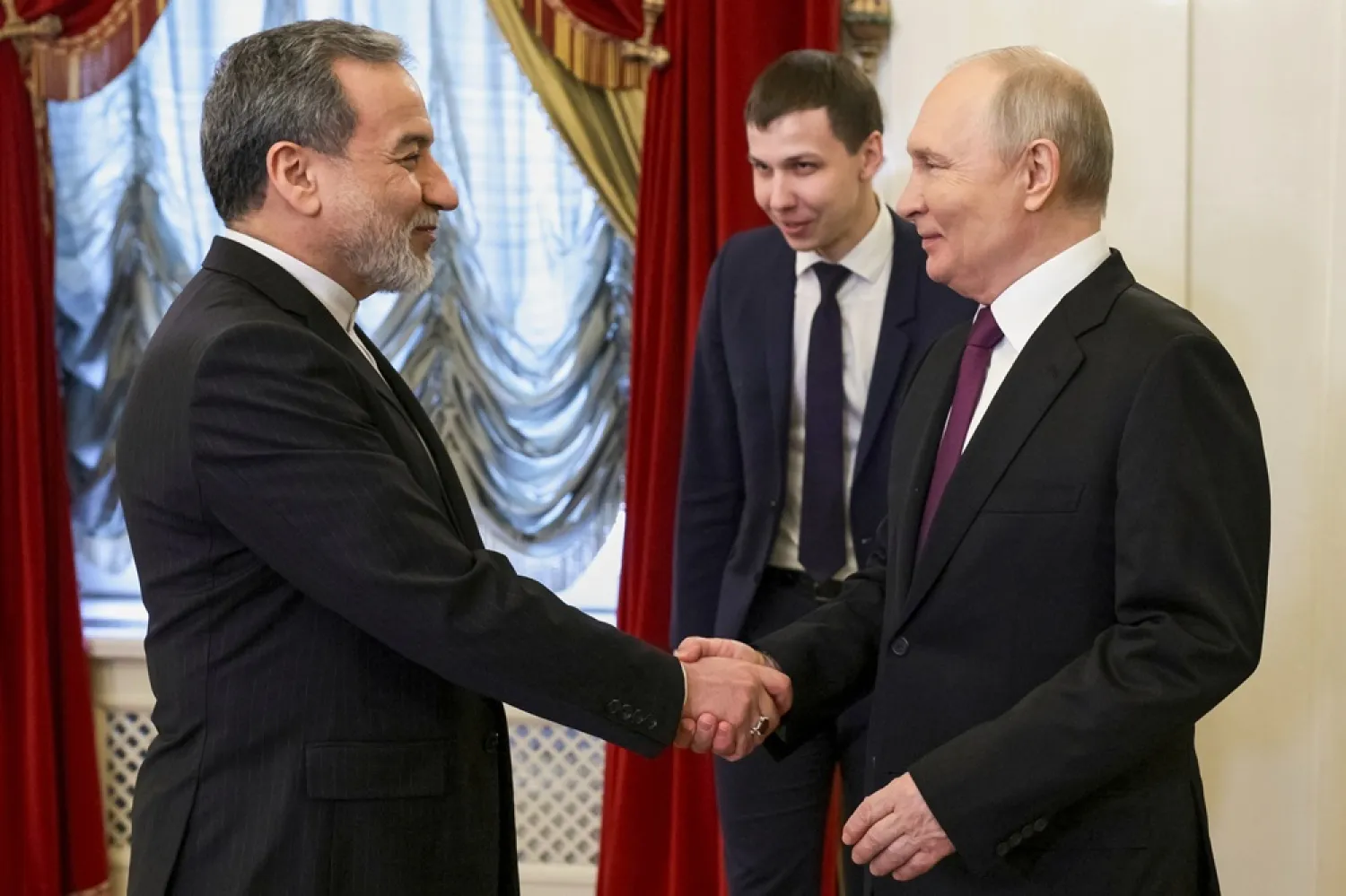
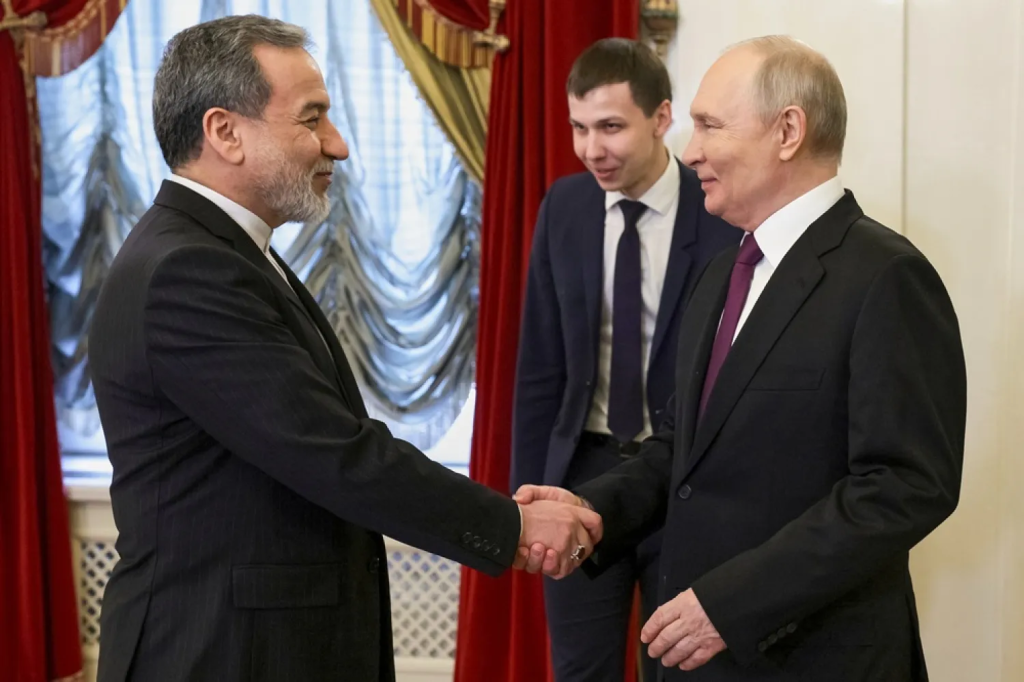
In a move that signals a seismic shift in Middle Eastern power dynamics, Iranian leadership has pivoted sharply toward the Kremlin. Following the recent pause in the 40-day conflict with the United States and Israel, the Iranian Foreign Minister traveled to Moscow for a high-stakes meeting with Vladimir Putin. This visit is not merely a diplomatic formality; it is a defensive maneuver born out of a realization that Tehran’s “Big Brother” strategy with China has failed.
The Failure of the China Bet
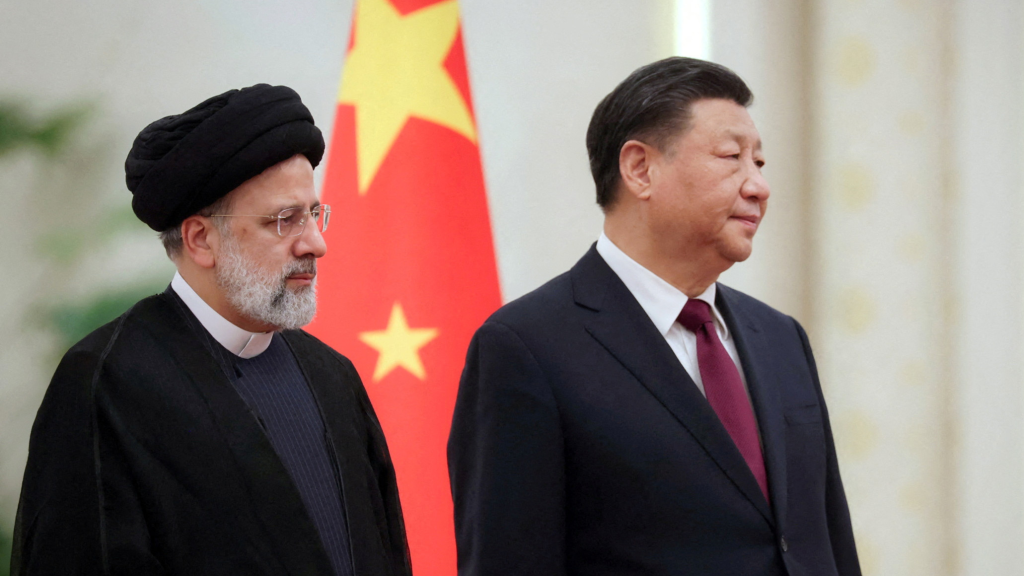
For years, Iran operated under the assumption that China—its largest oil buyer and a rising global superpower—would serve as its ultimate geopolitical guarantor. However, the recent war has exposed the limitations of Beijing’s “neutrality.”
- Conflicting Interests: China is heavily invested in the Arab Gulf states (the UAE and Saudi Arabia), which are Iran’s primary regional rivals. During the conflict, Beijing remained conspicuously quiet, refusing to use its naval power to challenge the blockade of the Strait of Hormuz for fear of upsetting its lucrative partners in the Gulf.
- Geopolitical Paralysis: Iran has realized that China is a “fair-weather” ally. When the missiles began to fly, China had no “chess move” to make, leaving Tehran isolated and vulnerable while its regional influence took a massive hit.
A Military Reality Check: The “400-Kilometer Humiliation”
A primary driver for the rush to Moscow was a recent, massive failure of the Iranian military apparatus. U.S. Special Forces reportedly conducted a daring rescue operation 400 kilometers deep into Iranian territory to extract a downed pilot.
- Defensive Gaps: The U.S. was able to land multiple aircraft and extract personnel near a sensitive nuclear site without being detected or stopped.
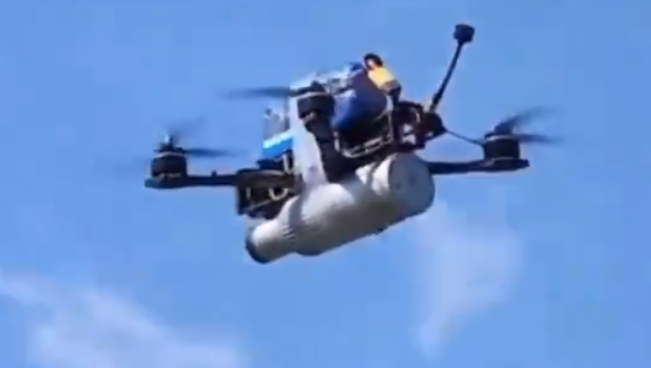
- Technological Lag: This incident highlighted that the Iranian military remains “pre-Ukraine war” in its tactical doctrine. Despite their famous long-range drones, they lacked the First-Person View (FPV) and fiber-optic drone technology necessary to counter a small, agile ground force in real-time.

The Russian Lifeline: Knowledge Over Cash
Unlike China, which offers economic ties with heavy strings attached, Russia offers the one thing Iran needs most right now: battle-hardened expertise in modern warfare.
- Drone Warfare Transfer: Iran is desperate to integrate Russian-style FPV and suicide drone tactics—honed on the front lines of Ukraine—into their military formations.
- Electronic Warfare (EW): Tehran is seeking Russian technical support to harden their systems against the high-level hacking and EW capabilities displayed by the U.S. and Israel during the recent conflict.
- Ground War Preparation: With the U.S. continuing its military buildup in the region (including three carrier strike groups and amphibious marine units), Iran believes a ground invasion is no longer a “what-if” but a “when.” They view Russia as the only partner capable of training their vanguard forces for this specific type of high-intensity conflict.
Conclusion: Round Three is Coming
The meeting in Moscow suggests that Iran is using the current ceasefire not to negotiate a permanent peace, but to re-arm and re-train. By abandoning its failed “China Pivot” in favor of a “Russia Pivot,” Tehran is betting that Russian technology and tactics can save the regime from a potential U.S.-led ground war.
As of now, the Middle East is in a state of suspended animation. While the diplomats talk, the actions on the ground—U.S. troop deployments and Iranian-Russian technical transfers—suggest that both sides are simply preparing for Round Three, a conflict that promises to be significantly more violent than the first two.
Watch the full video report: